SINCE 1995
We are Cutter Korea, specializing in industrial, kitchen, and beauty cutting tools, as well as zirconia ceramic processing, and possessing precision machining know-how.
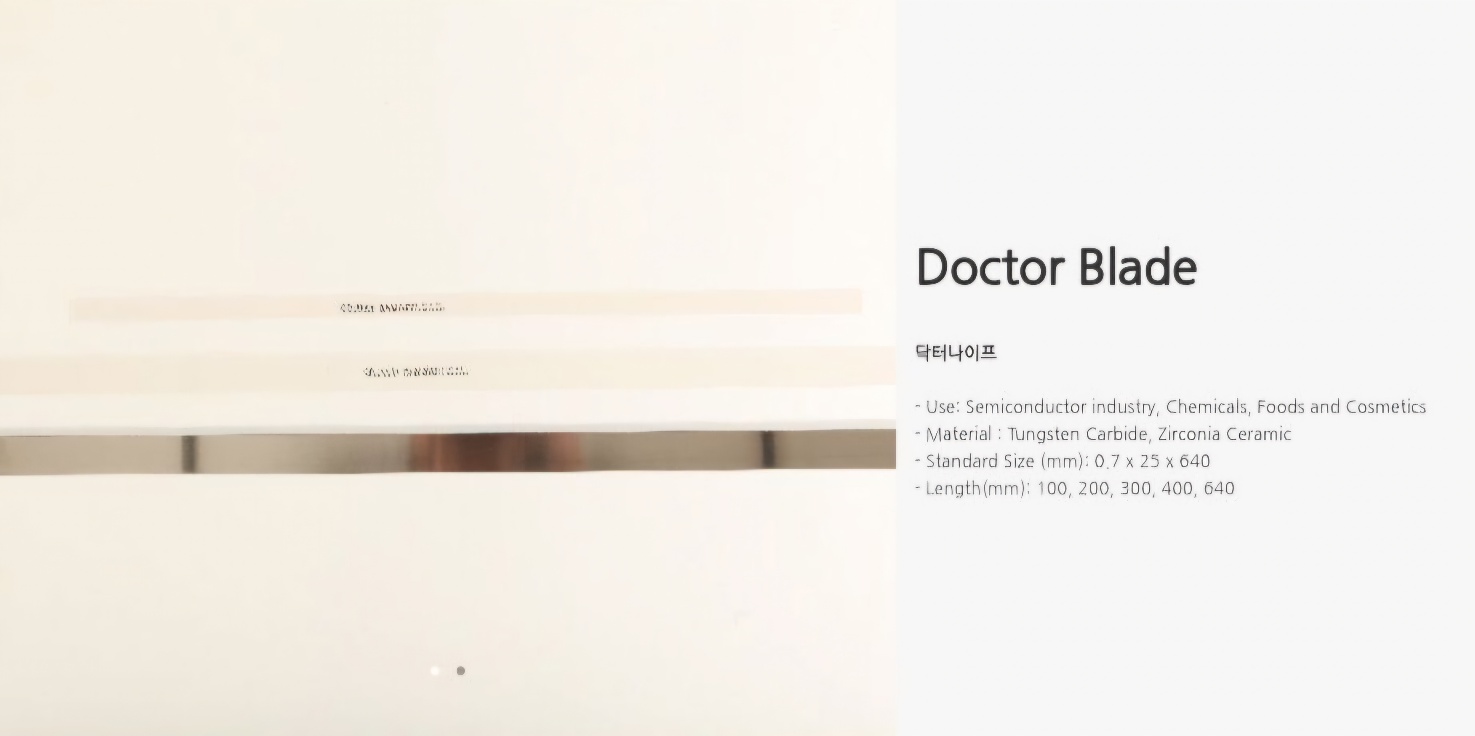
Introducing the Doctor Blade, a solution for the chemical industry.
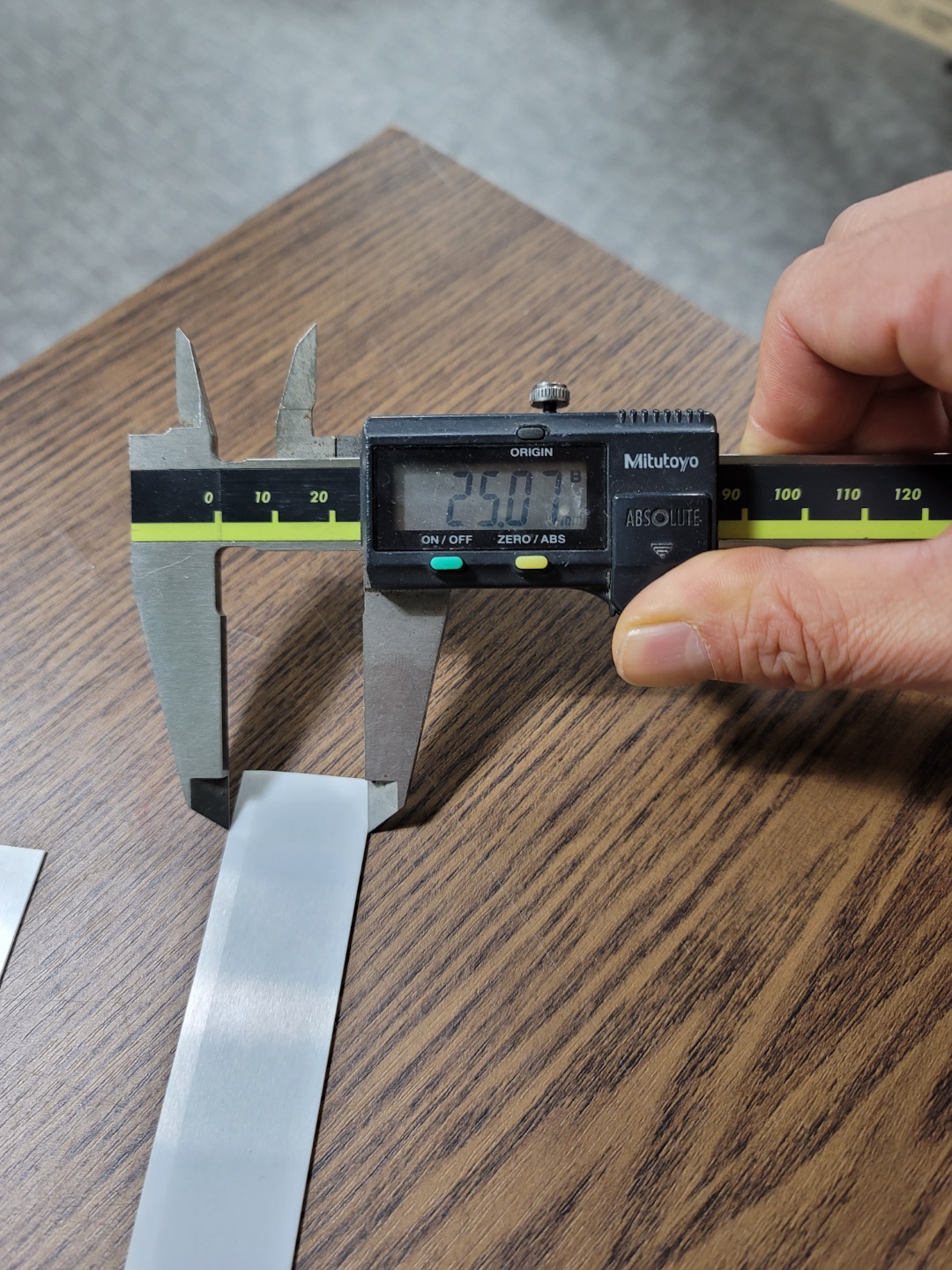
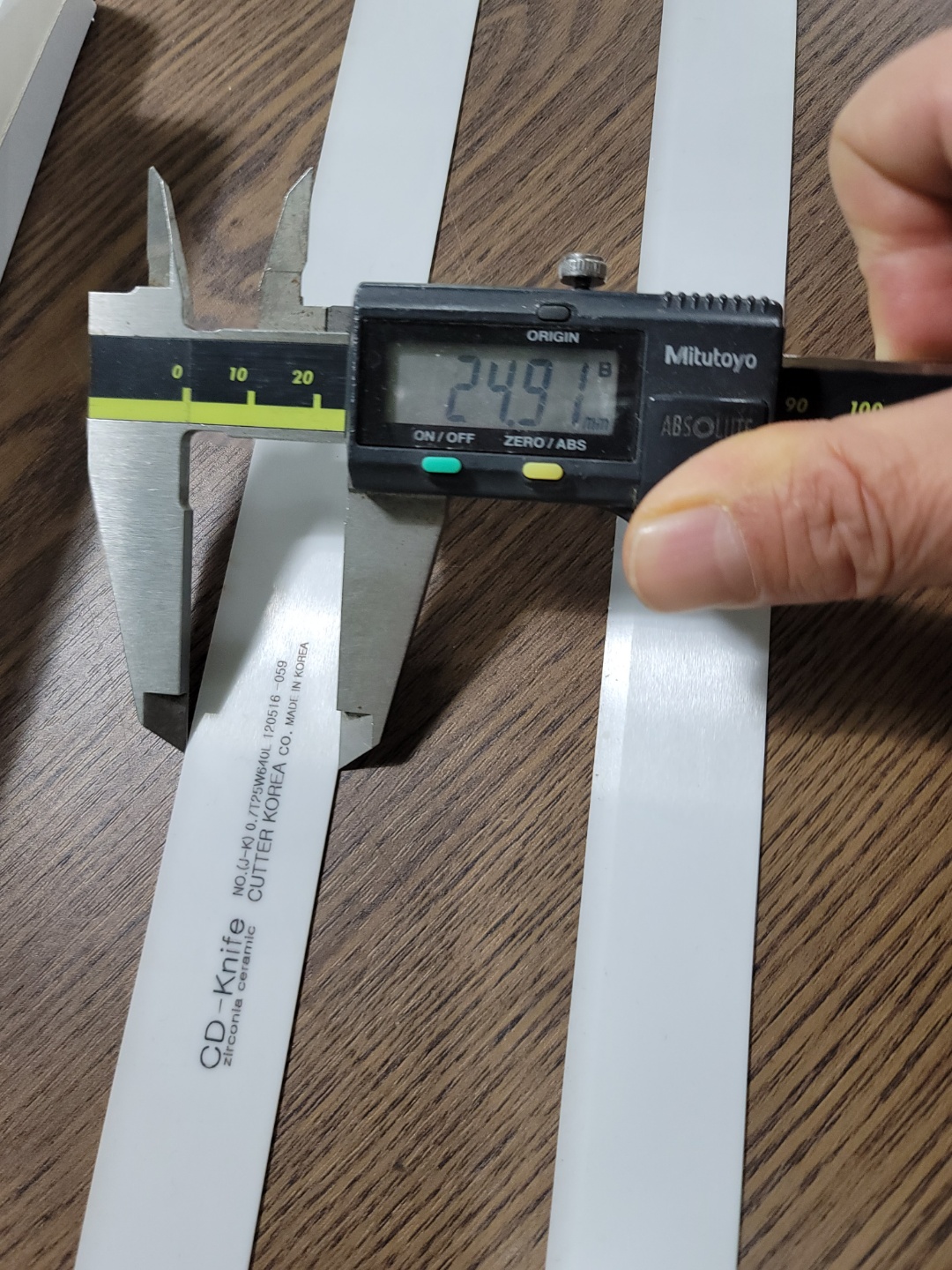
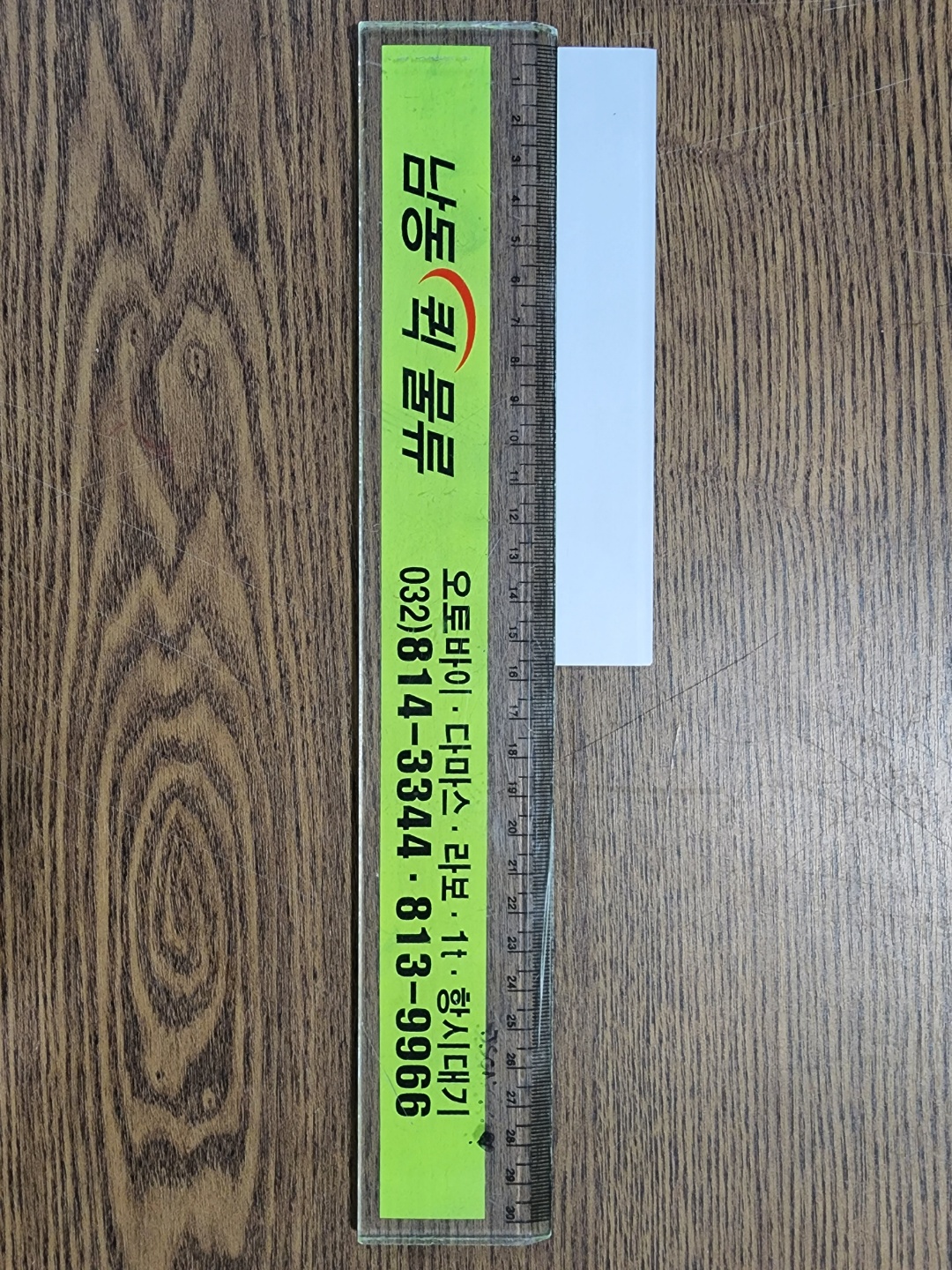
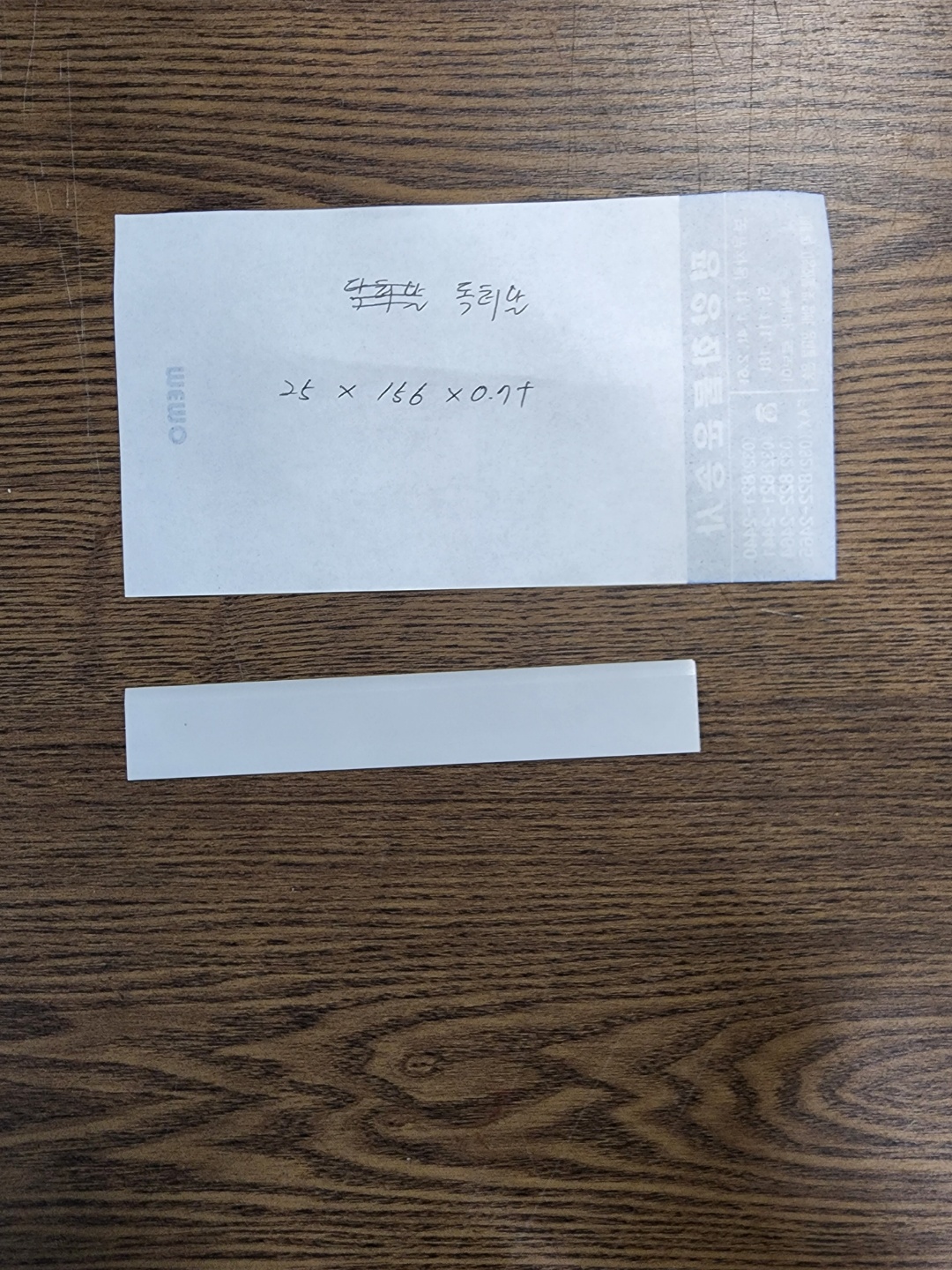
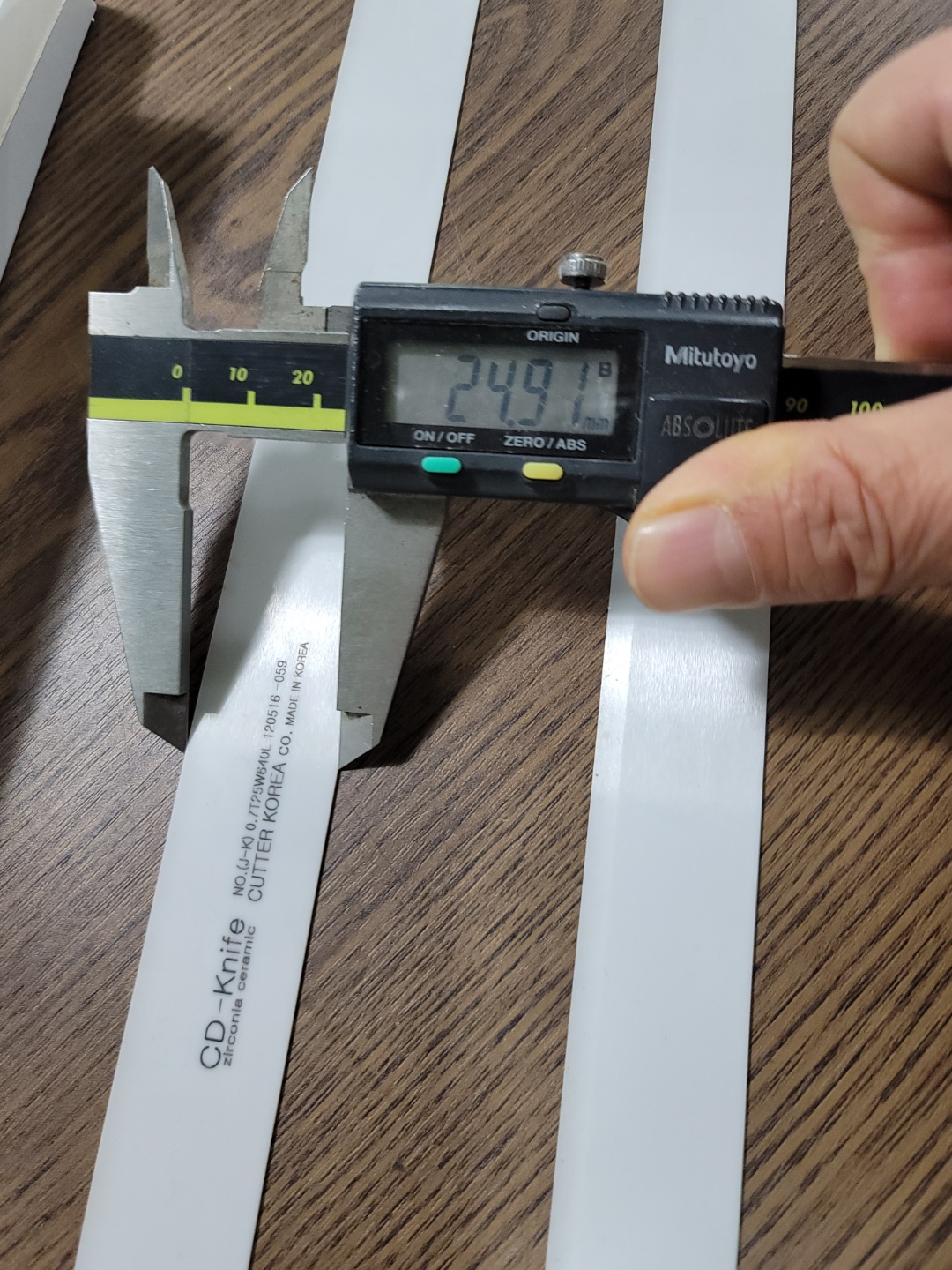
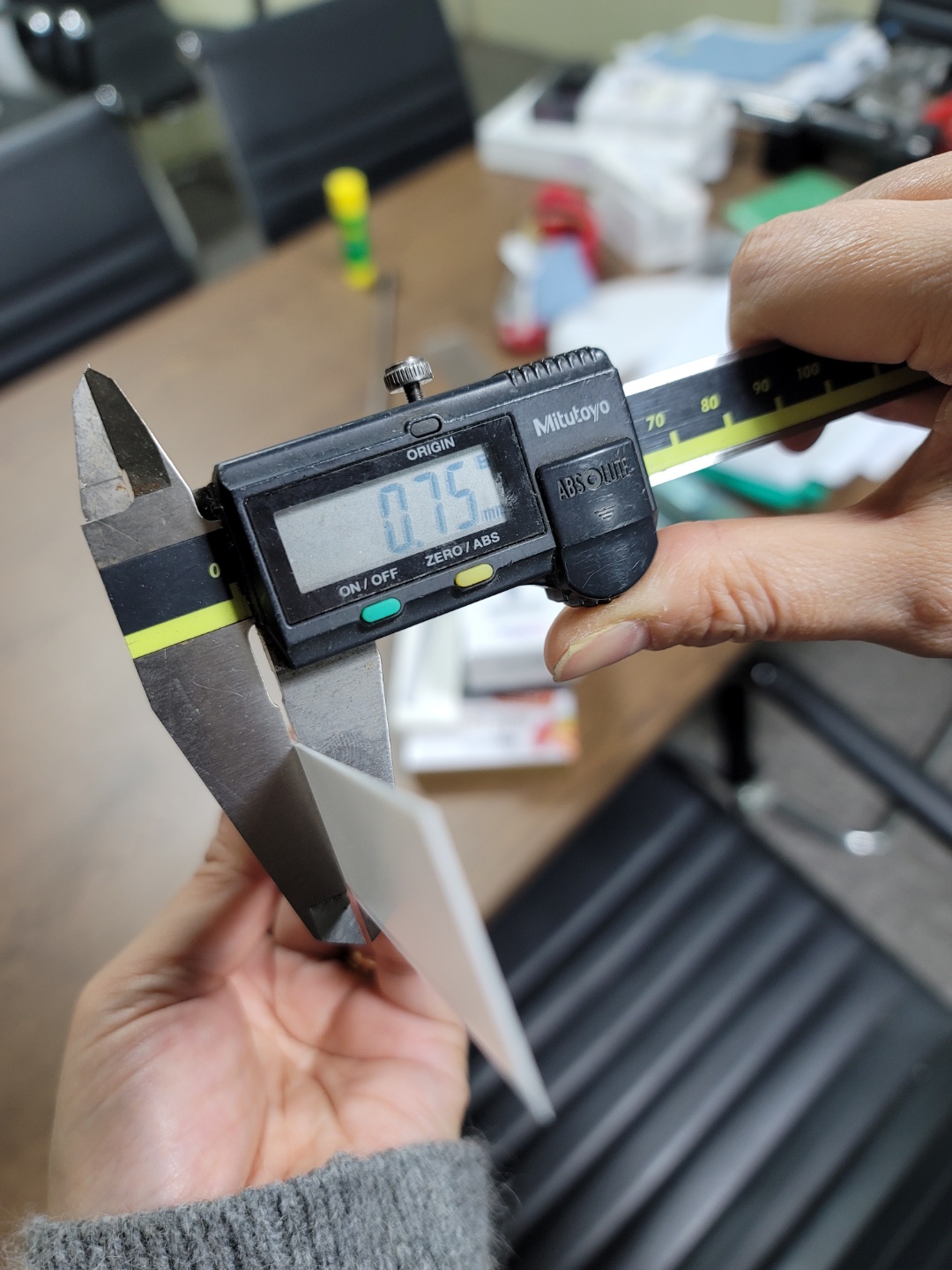
Various shapes and precision sizes are available.
Prices vary by length, so please contact us for custom orders.
✅ Why Zirconia Ceramic Blades Are Required in Conductive Ink Processes
Furthermore, for Doctor Blades, the choice of material determines quality.
Blades used in the Three-Roll Mill process are not merely simple parts. They are critical components that directly affect material dispersion, uniform coating, and production quality. Why should you choose zirconia ceramic blades?
Item
Steel Blade
Zirconia Ceramic Blade
Wear Resistance
Wears quickly during use
High-hardness material, 3–5 times longer lifespan
Chemical Resistance
Corrosion by acids and solvents
Stable even against NMP and strong acids
Flatness Retention
Deformable under heat and pressure
Maintains precise flatness even at high temperatures
Anti-static
Partially conductive
Insulator but ESD design possible
Machining Precision
Limited to micro-processes
Precise control at the nano-level
Conclusion
For high-precision and high-load environments such as battery slurries, electronic materials, and high-performance inks, ceramic blades are the answer. Cut accurately, last a long time, and maintain quality.
The moment you switch to ceramic,
the process changes.
Conductive Ink contains electrically conductive metal particles or carbon-based nanomaterials and is used to manufacture critical components for flexible electronic devices, wearable devices, displays, and batteries. Because this process requires precise coating, uniform particle dispersion, high chemical resistance, and stability, the performance of the blades used is directly linked to product quality.
In particular, the use of ceramic blades, specifically zirconia (ZrO₂) blades, in the dispersion and coating processes of conductive inks has been rapidly expanding recently. This is due to the following technical advantages:
1. High Hardness and Wear Resistance
Conductive inks contain particles that can cause wear, such as silver (Ag), copper (Cu), graphene, and CNTs. These particles continuously rub against the blade surface, which can reduce the blade's sharpness or cause wear.
Zirconia ceramics possess a hardness much higher than that of metals (Vickers 1200 or higher), so the blade tips do not wear down easily and maintain their sharpness even during repetitive operations. Consequently, there is the advantage of maintaining a consistent coating thickness and quality for a long time.
2. Excellent Flatness Retention
Conductive inks require precise coating thicknesses at the level of several microns or nanometers. If the blade bends or the surface develops even slight curvature during this process, variations in the thickness of the applied ink film may occur, potentially affecting electrical properties.
Ceramic blades are polished with high precision during processing and maintain excellent flatness for a long time because their shape does not easily change under heat or load. Therefore, they are highly suitable for high-end printed electronics processes that require stable quality.
3. Excellent Chemical Resistance
In addition to water-based inks, conductive inks contain various organic solvents such as NMP, IPA, ethanol, and methyl ethyl ketone (MEK). While metal blades may suffer corrosion or chemical damage upon repeated exposure to these solvents, zirconia ceramics exhibit excellent chemical resistance to most acids, alkalis, and organic solvents.
This allows for a reduction in the frequency of blade replacement during the process and improves overall production efficiency. 4. Electrostatic Protection Capability
Conductive inks are sensitive to the electrical properties between particles, and electrostatic discharge (ESD) can cause circuit pattern damage or particle clumping.
While zirconia is inherently insulating, products equipped with electrostatic control functions (ESD-safe design) can be safely used even in sensitive processes.
In particular, electrostatic shielding and discharge capabilities are critical factors in processes handling microcircuits, such as OLED patterns, RFID antennas, and biosensors.
5. Examples of Process Applications
Zirconia ceramic blades are effectively applied to the following conductive ink processes. Dispersion process via Three-Roll Mill: Enables uniform dispersion without damaging nanoparticles
Precision coating via slot die or doctor blade method: Maintains consistent film thickness
Precision pattern formation for OLEDs, touch panels, wearable circuits, etc.: Enables coating without surface damage
Battery electrode material coating: Improved coating thickness precision and minimized slurry loss
6. Actual Benefits Compared to Steel Blades
When using zirconia blades in actual industrial settings, the following improvements can be expected:
Extended blade replacement cycle → Reduced maintenance costs
Improved coating quality → Reduced defect rate
Improved ink reproducibility → Ensured process consistency
Stable operation possible even in high-viscosity and high-chemical-resistant environments
🔍 In conclusion,
The conductive ink process is not a simple coating process, but a high-value-added manufacturing process that simultaneously demands electrical functionality and process precision.
In such environments, zirconia ceramic doctor blades demonstrate significantly superior performance compared to metal blades in terms of durability, precision, and safety,
and provide clear value in terms of improved product yield, reduced defect rates, and lower maintenance costs. Therefore, in industries such as electronic materials, energy materials, and printed electronics, ceramic blades are establishing themselves not merely as simple substitutes, but as a ‘key element for boosting performance.’
#ZirconiaBlade #CeramicDoctorBlade #ThreeRollMill #BatterySlurry #WearResistance #ChemicalResistance #PrecisionMachining #CeramicBlade